IMF austerity is failing Zambia. It’s time to break free
Zambia deserves an economy that works for the 99%, not the 1%.
By Mputa Ngalande*
Read in Spanish, French, Portuguese
For Jane, a 34-year-old mother of four from Lusaka’s Garden Compound, skipping meals has become the norm over the last couple of years.
It all began with bus fare hikes after fuel pump prices went up, Jane says. Then the price of vegetables spiked after the government cut subsidies on farming inputs. These and other factors crushed Jane’s greengrocer business, as her customers could no longer afford even basic produce. Feeding her family has been a struggle ever since.
Jane’s story is not an isolated case of bad luck. Millions of Zambians have been through the same, pushed into hardship by the harsh terms that their government agreed with the International Monetary Fund. The government promised "macroeconomic stability" and "fiscal consolidation" from this process. Instead, it delivered hardships for ordinary citizens while protecting the interests of foreign-owned multinational companies.
Zambia deserves an economy that works for the 99%, not the 1%. As Zambia’s elections draw closer, these questions are more pressing than ever.
The architecture of austerity
Zambia’s journey back into the arms of the IMF was precipitated by a combination of over-ambitious public investment, a devastating drought in 2019, and the COVID-19 pandemic. By November 2020, the country became the first African nation to default on its Eurobonds during the pandemic era. The bailout package that followed in 2022 came with a heavy price tag: removal of subsidies on fuel, electricity, and farming inputs.
The impact was immediate. Fuel prices jumped from K17 ($0.94) in 2021 to K27 ($1.48) by mid-2023, and continued rising reaching K35.56 ($D1.95) per litre in April 2024. Although prices fluctuated afterwards the damage was done. For working families, whose wages have stagnated, each monthly fuel adjustment erodes the value of every kwacha earned.
For Zambia, the failure of neoliberal orthodoxy is even more visible in the price of Mealie Meal, the country’s staple food. The price of a 25kg bag has more than doubled from K120 ($6.60) a few years ago to K300 ($16.50) or more now. This cost-of-living crisis is a direct result of the IMF’s advice to restructure the Farmer Input Support Programme that supported a majority of smallholder farming families.
The removal of subsidies pushed the price of a 50kg bag of fertilizer from K400 ($22) to K1100 ($60.52). Millions of small-scale farmers were priced out of production. Combined with an aggressive maize export policy and drought conditions, millions of Zambians were left without food.
Profits over people
Austerity did not only raise food prices. It also left families in the dark. To meet IMF-inspired revenue targets, electricity tariffs were hiked while electricity exports were prioritized to generate foreign exchange, even as a climate-induced drought reduced Kariba Dam’s hydro power generation to less than 10% of its normal output.
The result was power cuts of up to 20 hours a day. For barbers, welders, restaurant owners and other informal workers, this was devastating. Reports indicate that 90% of small businesses experienced profit declines, with 40% losing more than half their revenue, under the power cuts.
And while Zambians endured prolonged power outages, the country’s giant foreign-owned mines have continued to enjoy uninterrupted supply of electricity at favourable rates in the name of maintaining a conducive investment climate.
While citizens paid more for fuel, food and electricity, multinational corporations benefitted from tax concessions. In 2023, corporate tax was reduced from 35% to 25%, and the Mineral Royalty Tax was made deductible. This change allows mines to deduct royalty payments before calculating profit, costing the national treasury hundreds of millions of dollars that could have supported debt reduction and funded essential services like healthcare and education.
The pathway to sovereignty beyond the IMF
A recent announcement by the Minister of Finance to suspend the extension of the IMF’s programme created hope for families like Jane’s. It signalled a possible shift towards economic policies that prioritise people over creditors.
This is a promising step, but it’s just the beginning. The country must pursue home-grown policies that place the 99% at the centre of economic decision making.
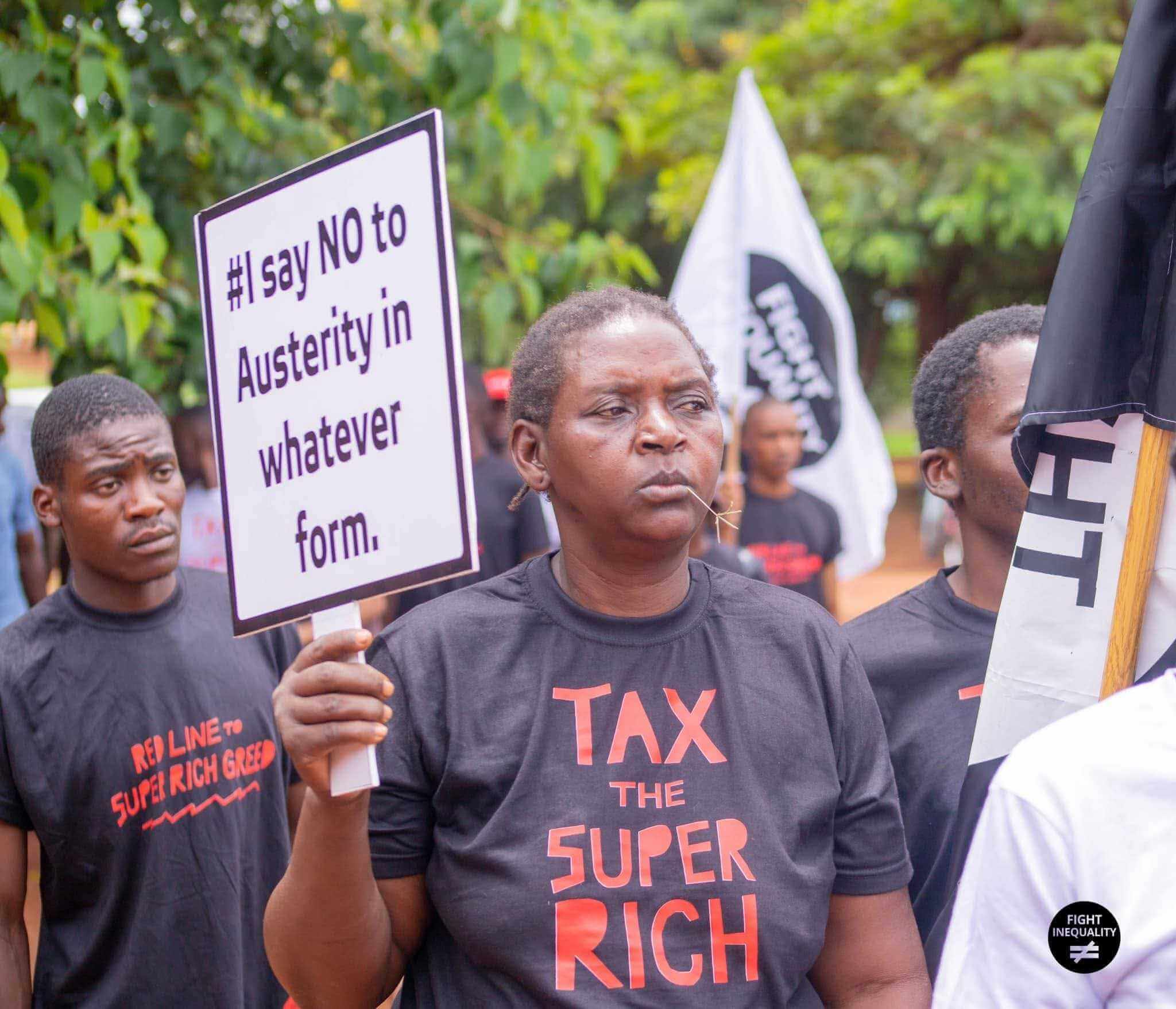
We at the Fight Inequality Alliance Zambia have identified several measures that can help put the country on the right path. These include progressive taxation, including windfall taxes on mineral exports, especially as copper prices rise; responsible debt management to prevent a return to crisis; and social spending floors that actually protect the vulnerable communities.
Barely a month after announcing it would not extend the IMF programme, the Minister of Finance indicated that fresh talks are underway for new arrangements to be implemented after the August 2026 elections. Once again, the government is making promises of economic growth. But for ordinary citizens, this language has historically translated into higher prices, deeper cuts, and more pressure on working families.
With elections approaching, Zambians are right to question whether this shift represents a genuine break from IMF dependency or a temporary political manoeuvre.
As one student posted online after returning from Rwanda: "This can't be Zambia... things are so expensive here!"
He speaks for many.
Zambia deserves an economy that works for the 99%. Ending the IMF programme must not be symbolic. It must mark the beginning of a serious commitment to economic sovereignty and policies that allow families like Jane’s to live with dignity.
*Mputa Ngalande is the National Coordinator for the Fight Inequality Alliance Zambia and a grassroots activist dedicated to economic justice.